+4.
Децата идват при нас, за да ни напомнят как можем да обичаме повече от и извън себе си. Тяхната радост и непрестанна надежда ни връщат към истинността на живота, която бавно сме забравяли всеки ден. Колко много може да е малкото и колко смисъл да ни носи…
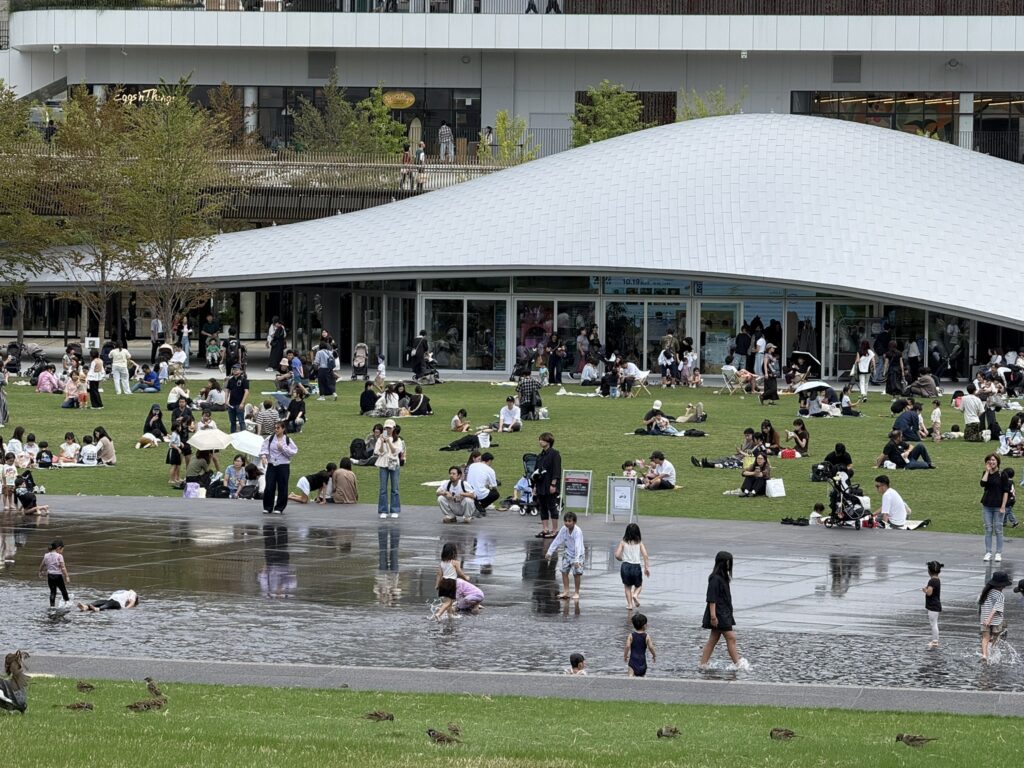
Докато у нас приемаме за характерно за конкретни прослойки къпането в центъра на града, то на други места целенасочено се изграждат такива паркови зони. Без предубеждение, а с усмивка. Пример от Осака, Япония – Парк Умекита (Umekita Park) – градски оазис в близост до жп възела в града.
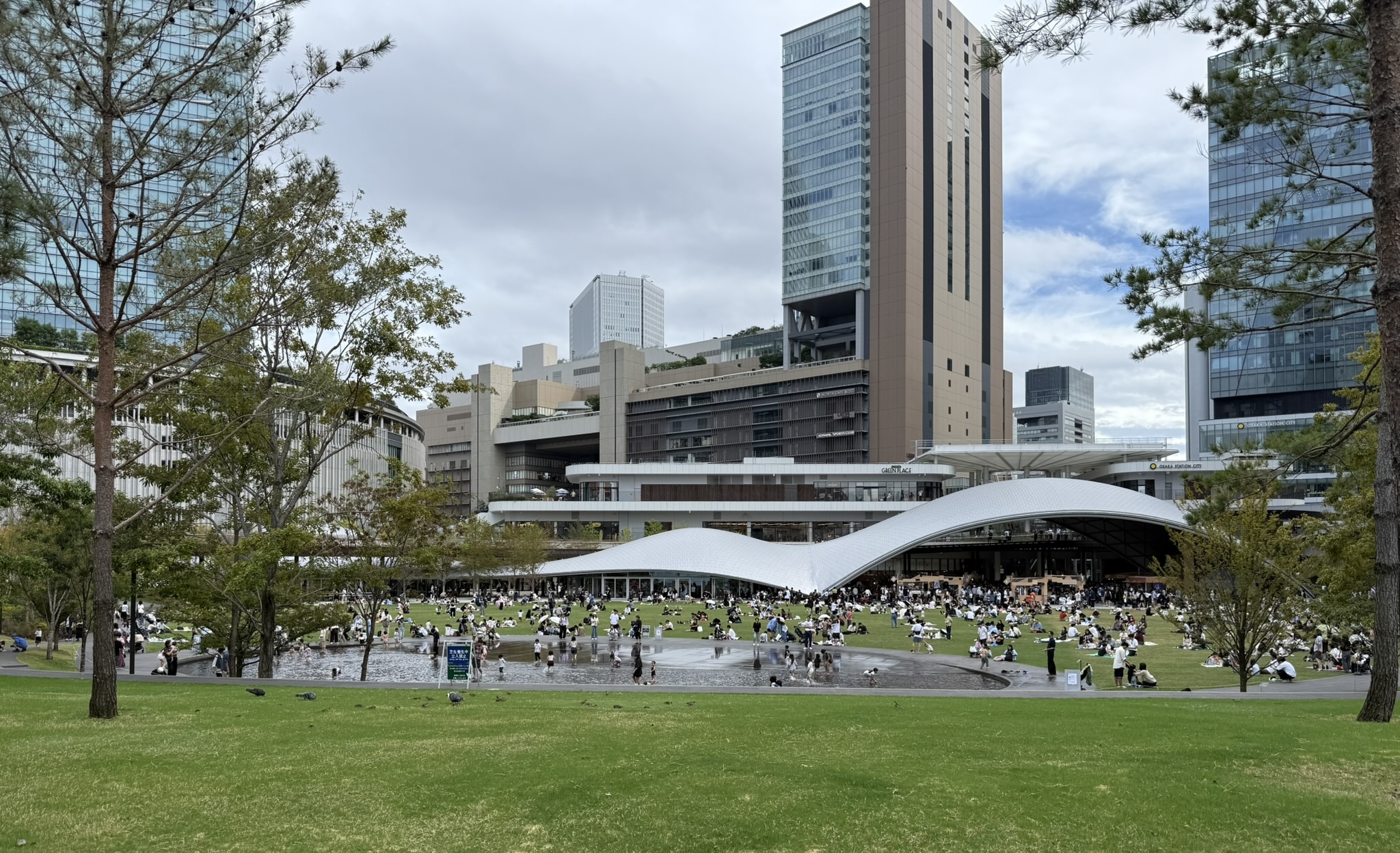
Разположен насред небостъргачи и ясно видим от тях, архитектурата на покрития площад е в хармония с природата, а наоколо зеленина и вода. Конструкцията със свободна форма Rohto Heart Square е дело на Sejima and Nishizawa and Associates (лауреати на награда Pritzker през 2010г.). Изпълнението е на Arup.
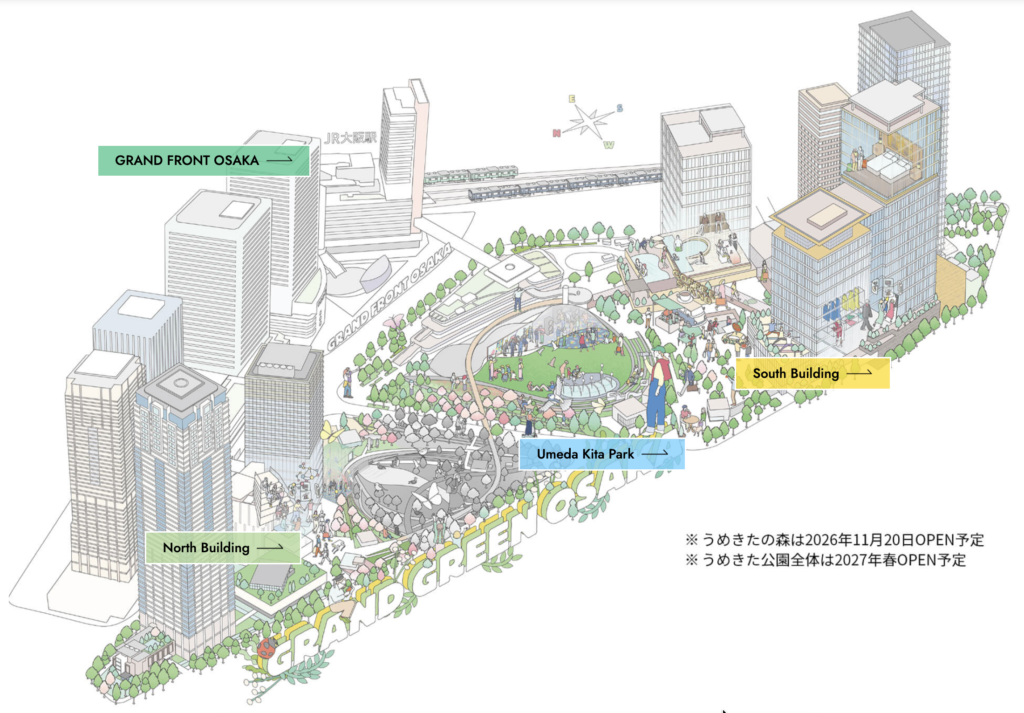
Рядко виждаме изграждане на градски оазиси в България, сякаш важността среща неразбиране или не е добра обществена поръчка. Паркът е част от комплекс Grand Green Osaka, който цели завръщането на природата в града. А близостта до JR Osaka Station – най-големия терминал в Западна Япония, го прави достъпен за местни, преминаващи или туристи.
Може би често свързваме района на гарите с престъпност, вандализъм и опасности. Тук случаят не е такъв. От една страна железопътният транспорт в Япония е сигурен, предпочитан и надежден. От друга – пристигането на която и да е от централните спирки разкрива впечатляващо лице на града, организация и елементарен ред. Чистотата дори няма да я споменем като изключение, защото в Япония е повсеместна. Въпреки липсата на структури за отпадъци по улиците – възпитание и правила. Отговорността е лична, както и отпадъкът докато не се намери подходящо място за него.
И връщайки се там – живот и много щастливи деца. За обществото говори много поведението на децата, те улавят спецификите на времето, те носят реакция на съпротива или приемане на семейството и средата. И са винаги искрени. Когато си пожелаваме да запазим детското в себе си, обикновено целим да съхраним чистотата на реакциите и именно искреността. Радостта от живота да не е трудна задача и всеки ден да откриваме интерес в света. Може би една дата (1ви юни) не е достатъчна да си припомняме всичко това, но пък е добре да се връщаме в темата.
И дори когато губим надежда за бъдещето на света, да видим в нечии очи, че смисъл има.
Children come into our lives to remind us how we can love more deeply – both beyond ourselves and outside the boundaries of our own world. Their joy and unwavering hope reconnect us with the authenticity of life, something we have slowly been forgetting day by day. How much abundance can be found in so little, and how much meaning it can bring…
While in our country bathing in the city center is often associated with certain social groups, elsewhere such park spaces are intentionally designed and created. Without prejudice, but with a smile. An example from Osaka, Japan: Umekita Park – a vibrant urban oasis located near the city’s major railway hub.
Surrounded by skyscrapers and clearly visible from them, the architecture of the covered plaza exists in harmony with nature, complemented by greenery and water features throughout the area. The free-form Rohto Heart Square structure was designed by Sejima and Nishizawa and Associates, recipients of the Pritzker Prize in 2010. The engineering and implementation were carried out by Arup.
Urban oases of this kind are still a rare sight in Bulgaria. It often feels as though their importance is either misunderstood or simply not considered a priority in public investment. The park is part of the Grand Green Osaka development, a project aimed at bringing nature back into the heart of the city. Its proximity to JR Osaka Station – the largest railway terminal in Western Japan – makes it easily accessible to residents, commuters, and visitors alike.
We often associate areas around railway stations with crime, vandalism, and a sense of insecurity. Here, however, the reality is quite different. On one hand, rail transport in Japan is safe, reliable, and widely preferred. On the other, arriving at any major station immediately reveals an impressive face of the city – one defined by organization, efficiency, and a basic sense of civic order.
As for cleanliness, it is hardly worth mentioning as something exceptional, because in Japan it is simply everywhere. This is all the more remarkable given the scarcity of public waste bins on the streets. The explanation lies in education, social norms, and personal responsibility. People take ownership of their waste and keep it with them until they find the appropriate place to dispose of it.
And returning to that place – life, and so many happy children.
The behavior of children reveals a great deal about a society. They absorb the characteristics of their time, reflecting both the resistance and the acceptance they encounter within their families and communities. And above all, they are sincere.
When we speak of preserving the child within us, what we usually mean is holding on to the purity of our responses and that same sincerity. To ensure that joy in life does not become a difficult task, and that each day still offers something new and meaningful to discover in the world around us.
Perhaps a single date – June 1st – is not enough to remind us of all these things. Yet it serves as a valuable opportunity to return to them, to reflect on what truly matters.
And even when we begin to lose hope in the future of the world, it is enough to look into someone’s eyes and be reminded that there is meaning, that there is still reason to believe.