+ 7.
Тази тема събира в себе си много размисли – за самия спорт, за изградената сграда, за градските центрове и планирането им. Милано е град с история, който непрестанно посреща туристи и хем мени облика си, хем успява да запази ядрото си непокътнато.
Паделът възниква като спорт в Мексико през 1969г. – създаден от Енрике Конкуера, бизнесмен. Набира популярност в Испания и Аржентина. В последните години се развива и в България. Характерни са стените на игрището, които също помагат на играта. Самото то заема много по-малка площ в сравнение с тенис игрище и лесно намира място сред жилищни комплекси.
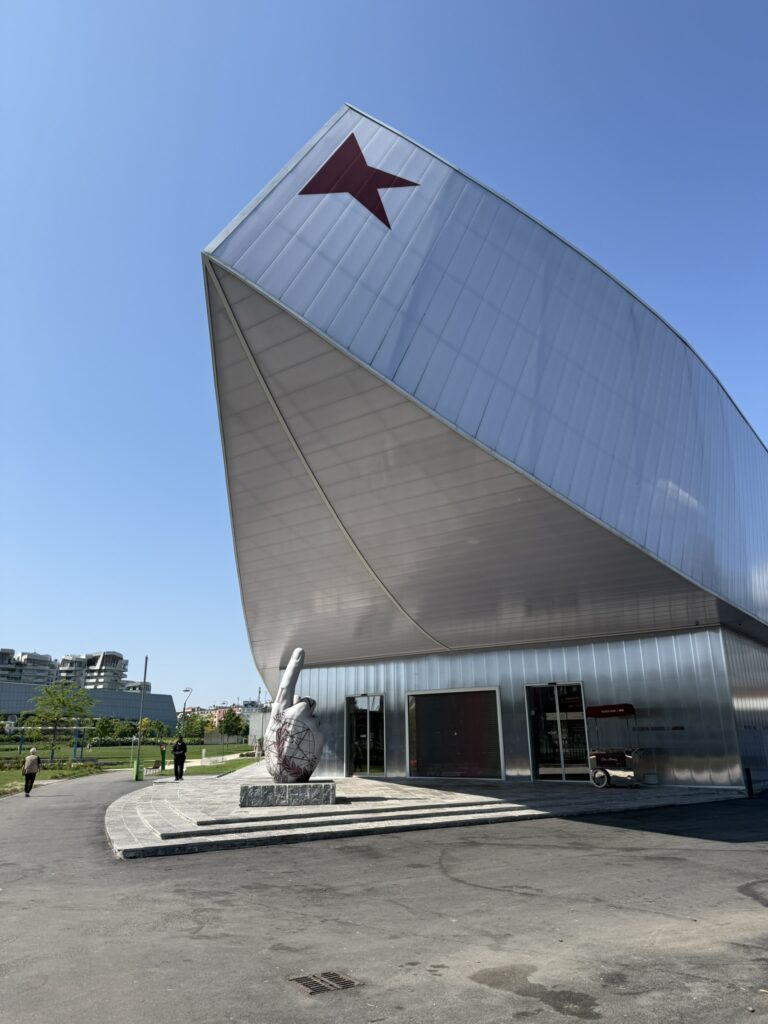
Тук обаче е различно от българското ни впечатление за падел атмосфера. Имаме специална сграда (комплекс с площ 2800кв.м.) – проект на Novembre Studio, с запомняща се форма (17-метров извит навес) и използване на поликарбонатни панели за фасадата, които имат различна светлинна пропускливост. Така вечерните игри осветяват и парка. Сградата носи името Golden Goose Arena, защото е изградена с подкрепата и на италианската модна марка Golden Goose, известна с луксозни стоки с нарочно причинен износен вид.

Да не пропускаме и местоположението – City Life – нов градски център, в който се срещат архитектурни произведения на Zaha Hadid архитекти (Hadid Tower), BIG (City Wave), Daniel Libeskind (Libeskind Tower), Arata Isozaki (Isozaki Tower е една от най-високите сгради в Италия) и други. Novembre Studio е известно миланско студио създадено от визионера, архитект и дизайнер Фабио Новембре – така че и местна нотка не липсва.
Посещаваме мястото през седмицата на Дизайна в Милано и наблюдаваме дизайн добавка – Sofia Elias – мексикански мултидисциплинарен артист, скулптор и архитект, се включва в едно от външните игрища с две дизайн намеси. Нейното Blobb творчество се отличава с игриви цветове и форми. До игрището е поставен съдийски пост, обработен с нейната технология. А на мрежата между полетата са поставени множество малки многоцветни звънчета, които се изявяват щом топката срещне мрежата. Надсловът е Trace of the Listening Court („Следа от слушащото игрище“). На корт Classic бе поставена и табела с името на марката й.
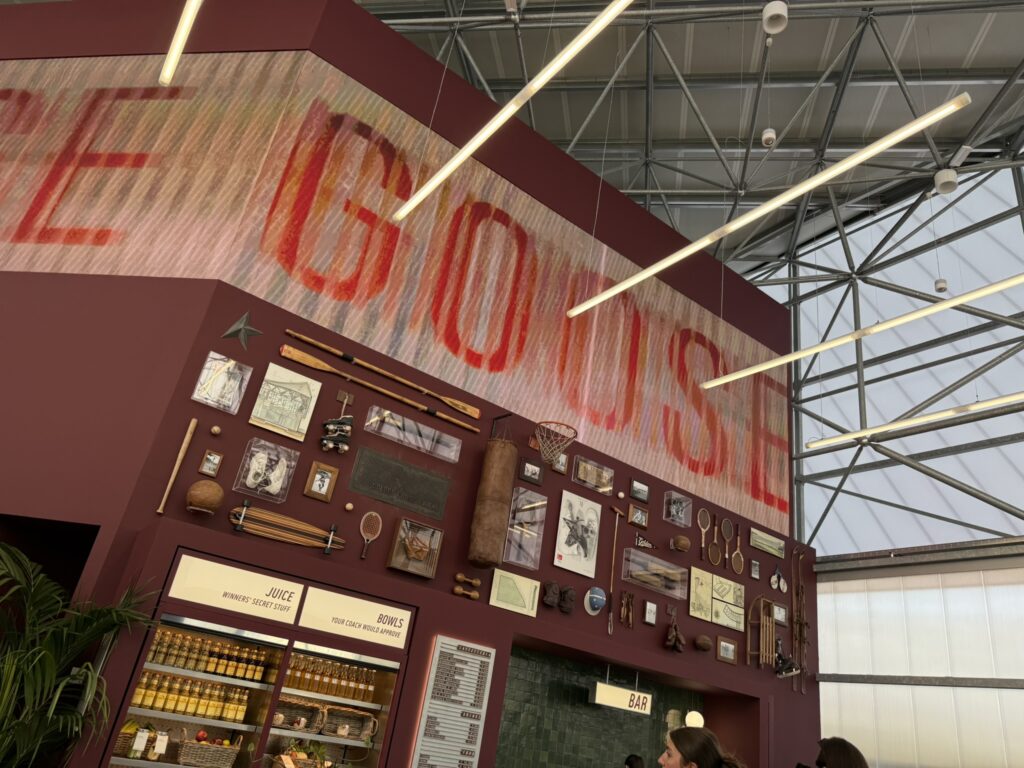
Интериорът на сградата е изграден в тематичния цвят, включва много зеленина, представителен магазин, просторни съблекални, кафе-бар, зона за отмора (lounge). Както и при други ракетни спортове, се изгражда усещане за общност. А по-малкото игрище и по-леката ракета дават шанс за по-бърз напредък спрямо тенис на корт. Всичко това повишава популярността на спорта. Обикновено се включват четирима играчи, което допълнително смалява полето за действие в игрището.
Няма невъзможни територии за приложение на дизайна и в спортните обекти. Създава запомнящо се чувство – от местоположение (градоустройство & градски дизайн) до най-малък детайл на игрище или в сграда.
Съветът е – опознавайте! Не знаете коя точка на пътуването до какво интересно място и факти ще ви отведе. Най-често – до правилните за вас самите.
+ 7.
This topic brings together many reflections – on the sport itself, on the building that has been created, and on urban centres and their planning. Milan is a city steeped in history, constantly welcoming tourists, and managing both to change its appearance and to preserve its core intact.
Padel originated as a sport in Mexico in 1969, created by businessman Enrique Corcuera. It gained popularity in Spain and Argentina and, in recent years, has also been developing in Bulgaria. One of its defining features is the walls surrounding the court, which are also an integral part of the game. The court itself occupies a much smaller area than a tennis court, making it easy to accommodate within residential complexes.
Here, however, the atmosphere is quite different from our typical Bulgarian perception of padel. There is a dedicated building – a 2,800-square-metre complex – designed by Novembre Studio, with a distinctive form featuring a 17-metre curved canopy and a façade made of polycarbonate panels with varying degrees of light transmission. In this way, evening games also illuminate the surrounding park. The building is called the Golden Goose Arena because it was developed with the support of the Italian fashion brand Golden Goose, known for its luxury products deliberately designed with a worn-in, distressed appearance.
Let’s not overlook the location either – CityLife, a new urban centre where architectural works by Zaha Hadid Architects (Hadid Tower), BIG (City Wave), Daniel Libeskind (Libeskind Tower), Arata Isozaki (Isozaki Tower, one of the tallest building in Italy), and others come together. Novembre Studio is a well-known Milanese practice founded by visionary architect and designer Fabio Novembre, so there is also a distinctly local touch.
We visited the site during Milan Design Week and encountered an additional layer of design. Sofia Elias – a Mexican multidisciplinary artist, sculptor, and architect -transformed one of the outdoor courts through two design interventions. Her Blobb work is characterised by playful colours and forms. A referee’s stand next to the court was treated using her distinctive technique. On the net separating the courts, she placed numerous small, multicoloured bells that come into play whenever the ball hits the net. The intervention is titled Trace of the Listening Court. A sign bearing the name of her brand was also installed on the Classic court.
The interior of the building is designed around its signature colour and incorporates plenty of greenery, a flagship store, spacious changing rooms, a café-bar, and a lounge area. As with other racket sports, it creates a strong sense of community. The smaller court and lighter racket also allow players to progress more quickly compared with traditional tennis. All of this contributes to the sport’s growing popularity. Padel is typically played by four people, which further reduces the playing area and creates a more compact field of action.
There are no territories where design cannot find its place – including sports facilities. It creates a memorable experience, from the location itself – urban planning and urban design – all the way down to the smallest detail of a court or a building.
The advice is simple: explore! You never know which stop on your journey will lead you to an interesting place, a new fact, or an unexpected discovery. And most often, it leads you to the places that are right for you.